



The Redemption of William Shakespeare
O God Horatio, what a wounded name, things standing thus unknown, shall I leave behind?
Shakespeare's anguished cry has called from the grave for 20 generations.
Portrayed as a lackey, he hid a seditious message of freedom and justice invisible to the censors of the Elizabethan police state.
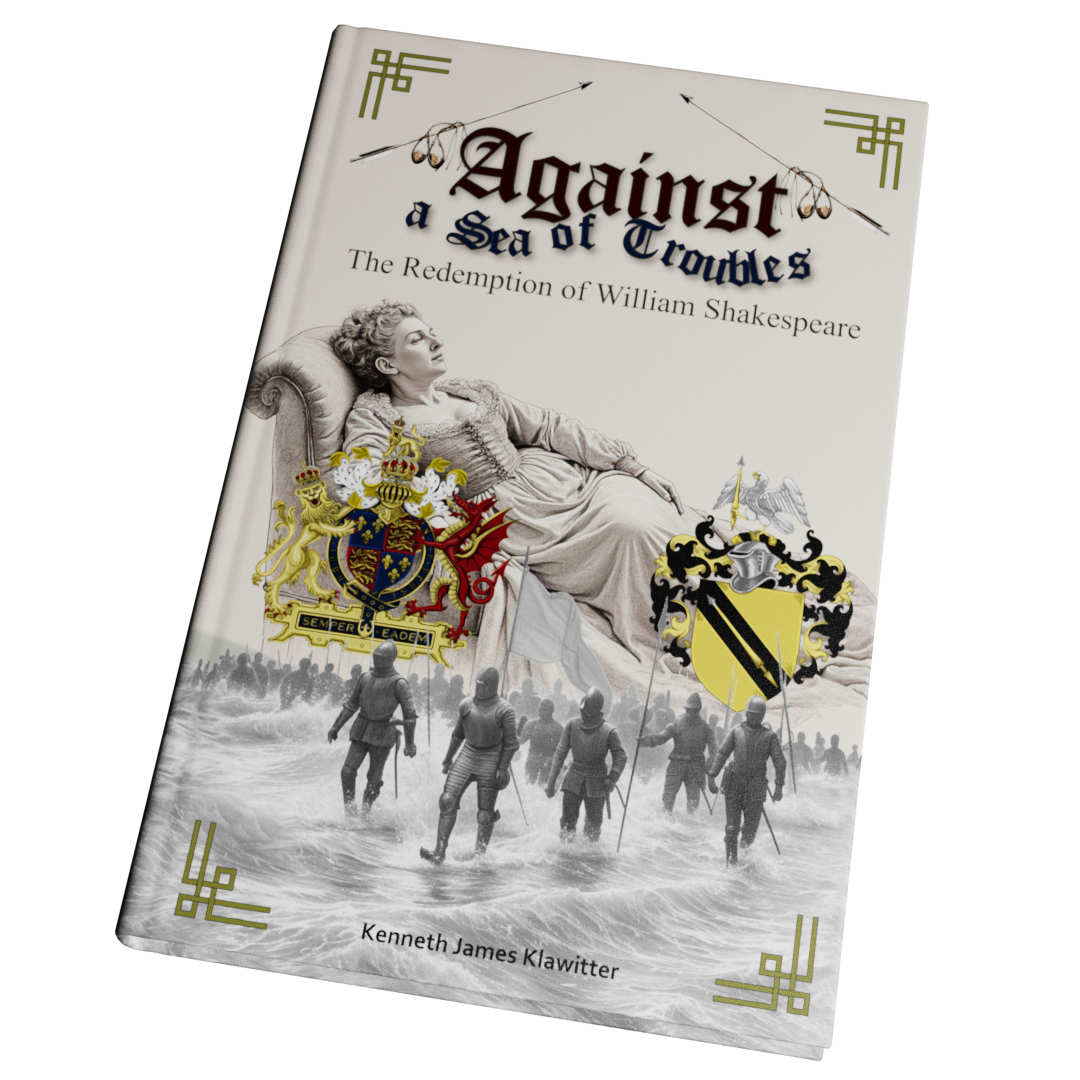
In Soft Cover & Casebound Hardcover
Act III · Scene i · Lines 64–98
The Tragedie of Hamlet
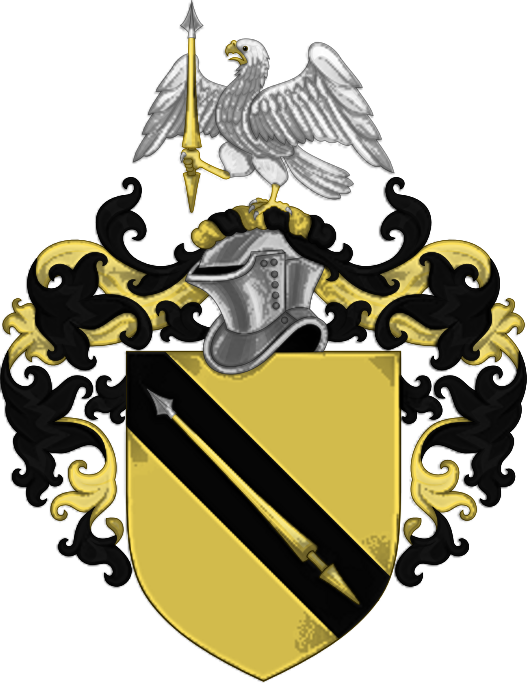
The Argument
To be or not to be—that is the question. Oppose against a Sea of Troubles. Slings and Arrows of Outrageous Fortune. The ideas in Shakespeare's Hamlet constitute a vicious attack on a fragile regime by a dangerous lowlife. The death of his only son, Hamnet, hardened his indifference to his own survival.
The regime let Shakespeare live but repressed his work, which was lost until Against a Sea of Troubles resurrected it. The ideas expressed in his work are as dangerous to today's regimes as they were to Elizabeth. Comparing these ideas with Orwell's in 1984 applies Shakespeare's universal themes in a commentary on the modern ruling class.
Take arms.
Read what the censors could not.
Procure Against a Sea of TroublesAvailable in Soft Cover & Casebound Hardcover